
- Home
- /
- Experiences
- /
- Mountain Trekking
Mountain trekking
Climb Mount Kenya and Kilimanjaro
Africa’s two highest mountains are within reach of Nairobi. Tell us which summit you have in mind and we will plan the climb, the transfers to the trailhead and, if you like, a safari before or after.
Three mountains
From a day hike to Africa’s highest summit
Each mountain suits a different traveller. A day on Longonot needs reasonable fitness and good shoes; the two big summits need several days on the mountain and time to adjust to the altitude.
Kenya · 5,199 m
Mount Kenya
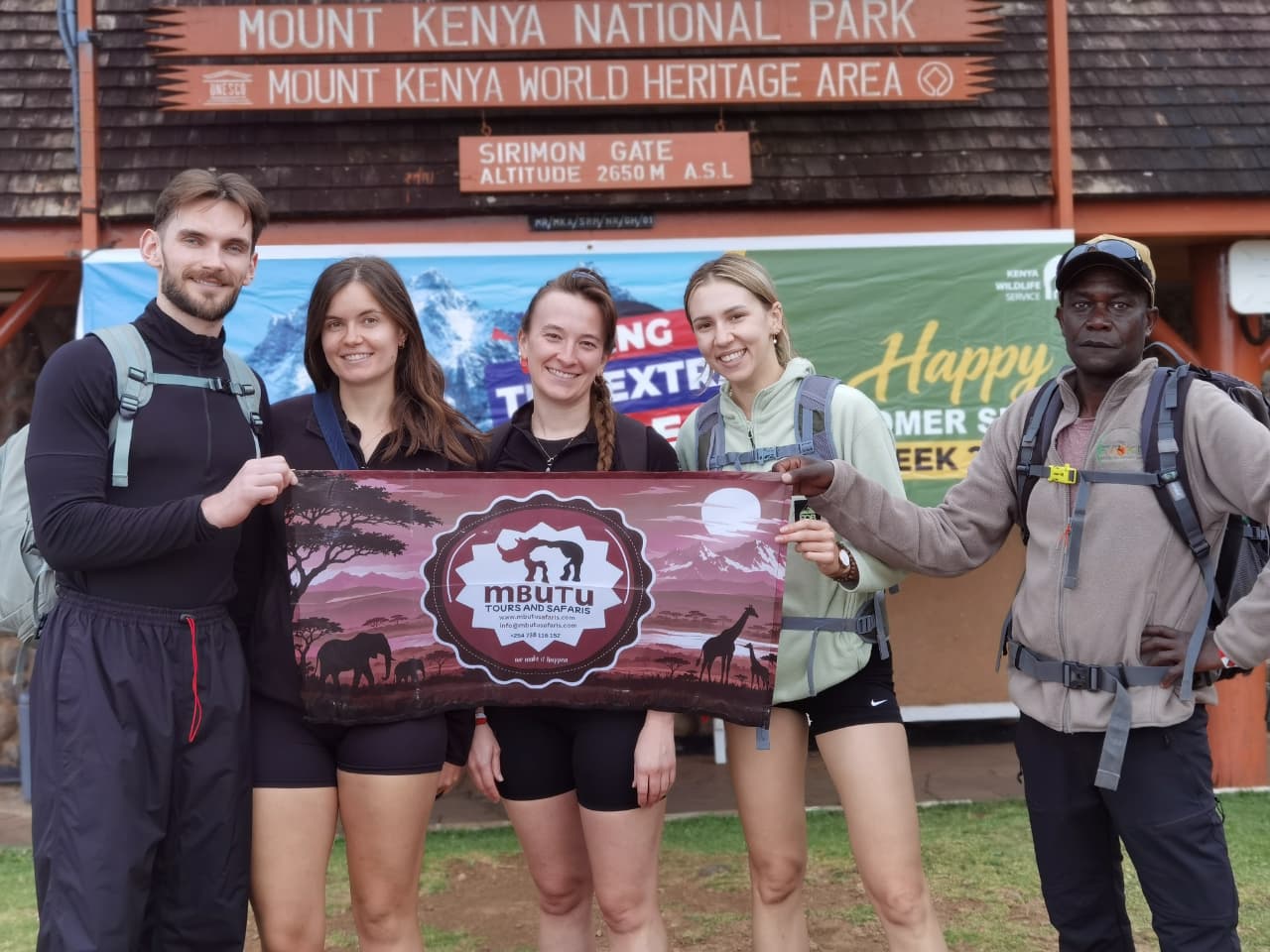
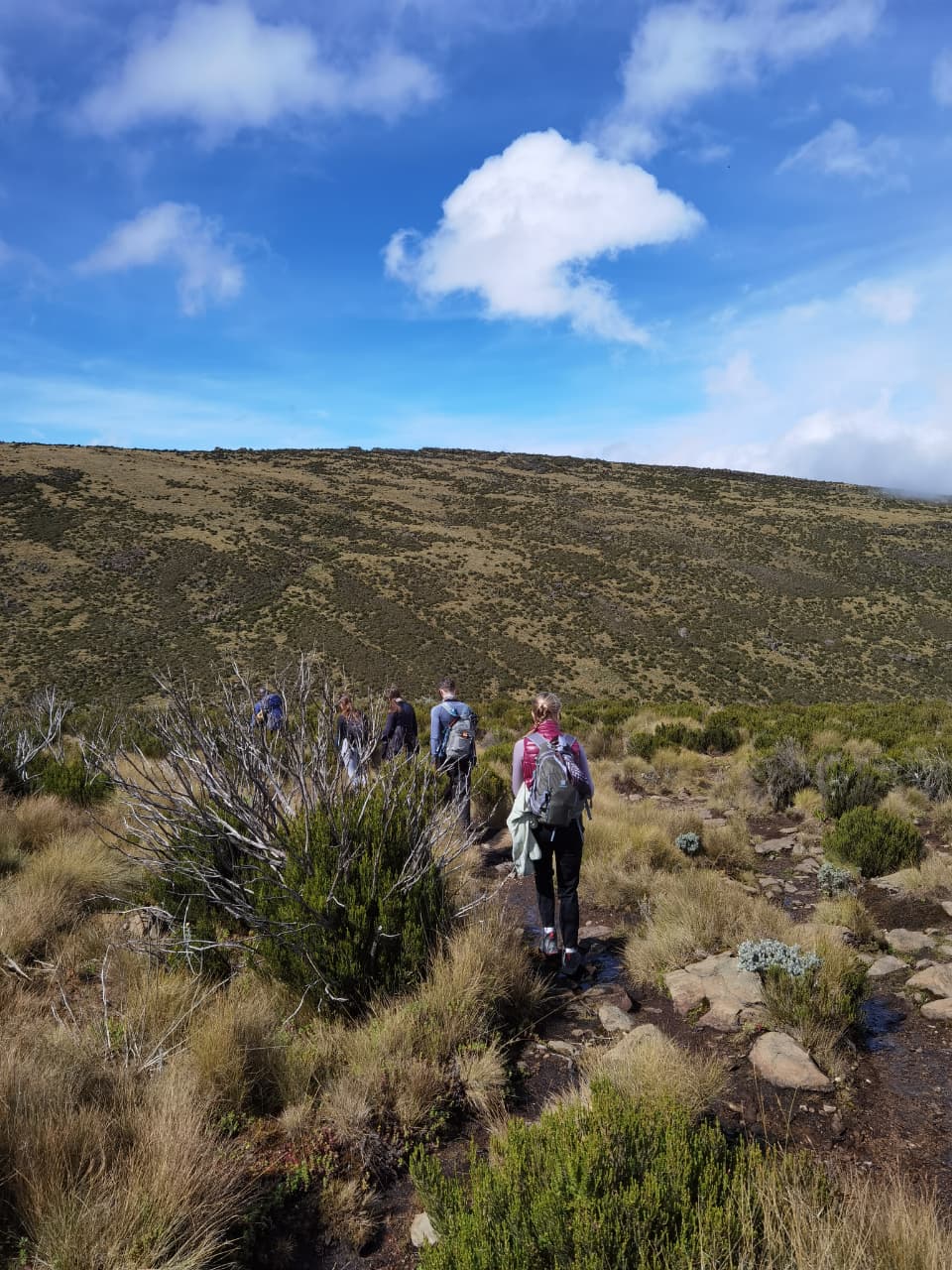
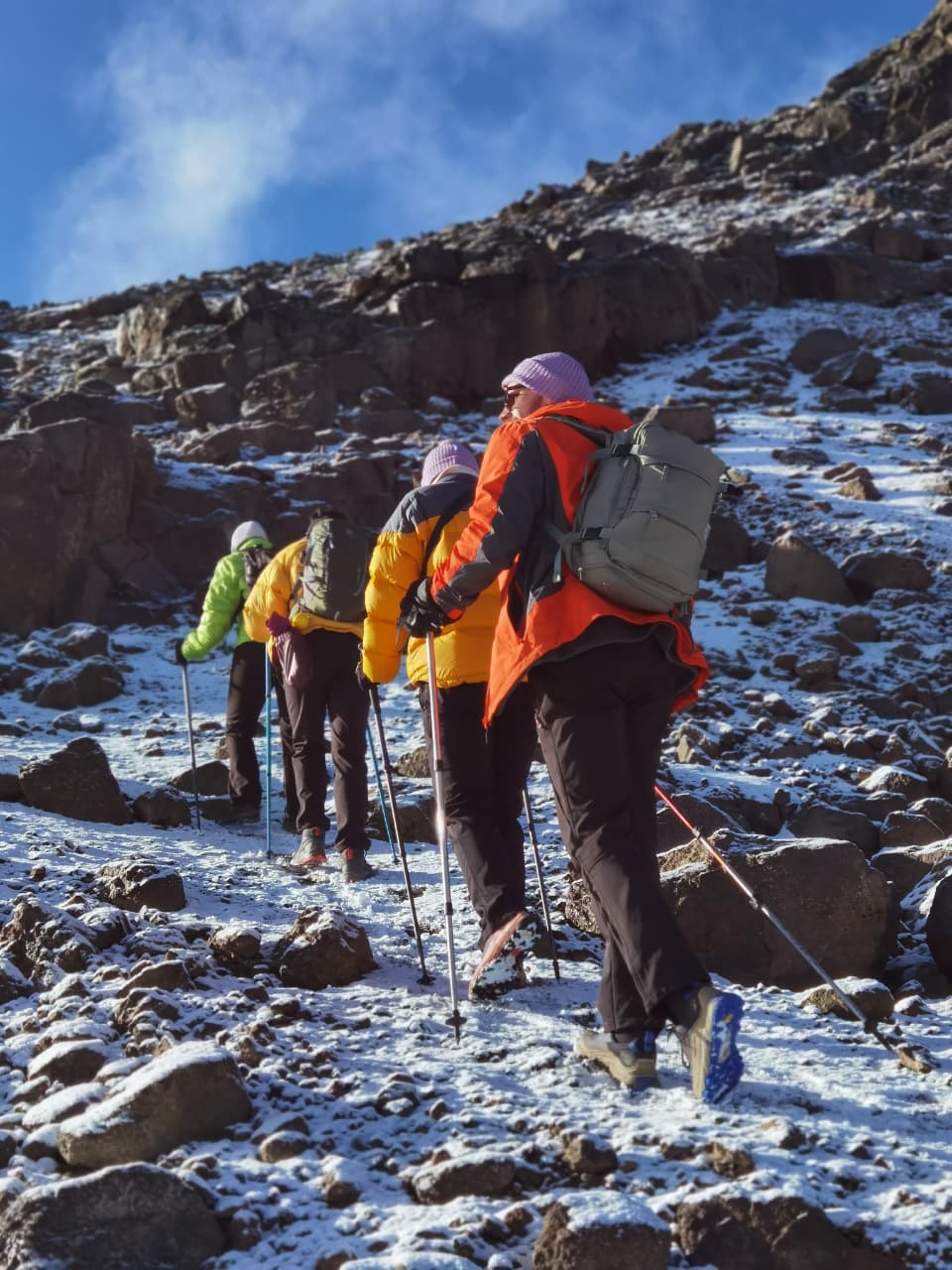
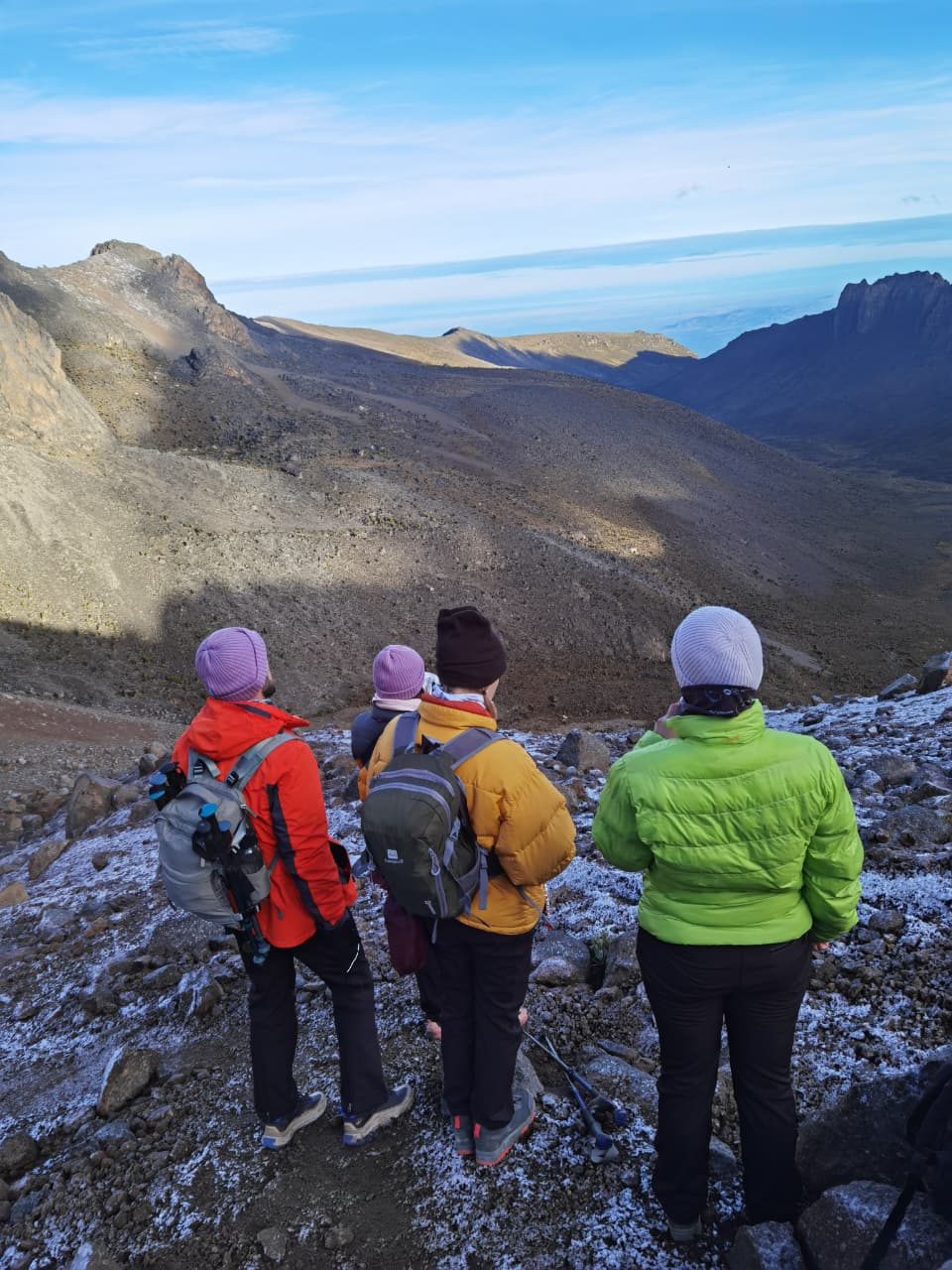
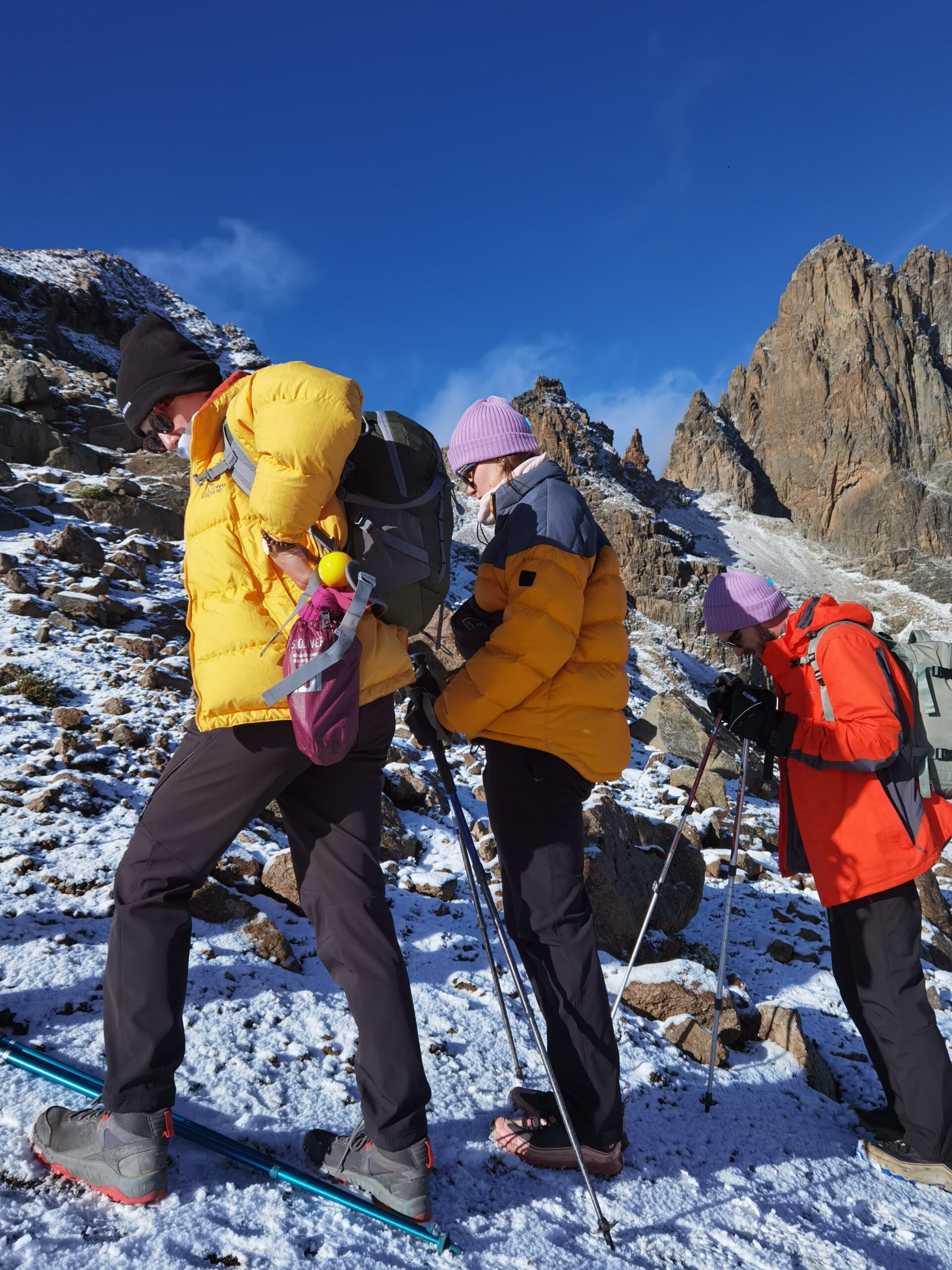
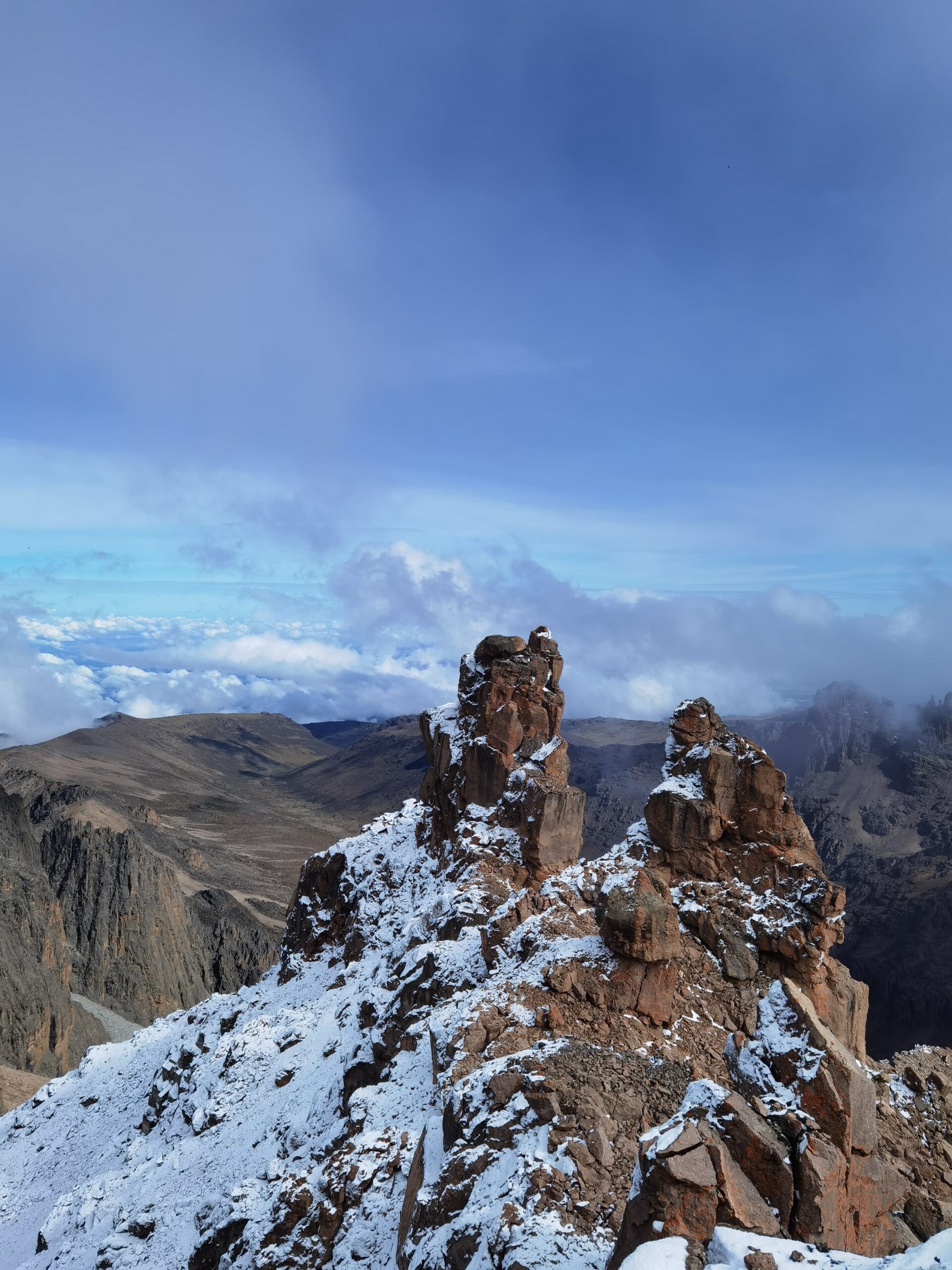
Kenya’s highest mountain, an extinct volcano on the equator, with forest, moorland and glaciers on the way up. Its national park is a UNESCO World Heritage Site. Trekkers walk to Point Lenana; the two higher peaks, Batian and Nelion, are technical rock climbs.
Trekking summit
Point Lenana, 4,985 m
Main routes
Sirimon, Naro Moru and Chogoria
On the mountain
Usually four to six days
Tanzania · 5,895 m
Mount Kilimanjaro
The highest mountain in Africa and the tallest free-standing mountain in the world. No technical climbing is needed to reach Uhuru Peak, but the altitude makes it a serious undertaking, and routes with more days give the body time to adjust.
Summit
Uhuru Peak, 5,895 m
Main routes
Marangu, Machame, Lemosho and Rongai
On the mountain
Usually five to nine days
Kenya · 2,776 m
Mount Longonot
A dormant volcano in the Rift Valley above Lake Naivasha, and a day hike from Nairobi. The path climbs steeply to the crater rim, and the walk around the rim looks down into the forested crater and out over the valley.
Summit
2,776 m, on the crater rim
Trail
Up to the rim and around the crater
Time
A full day from Nairobi


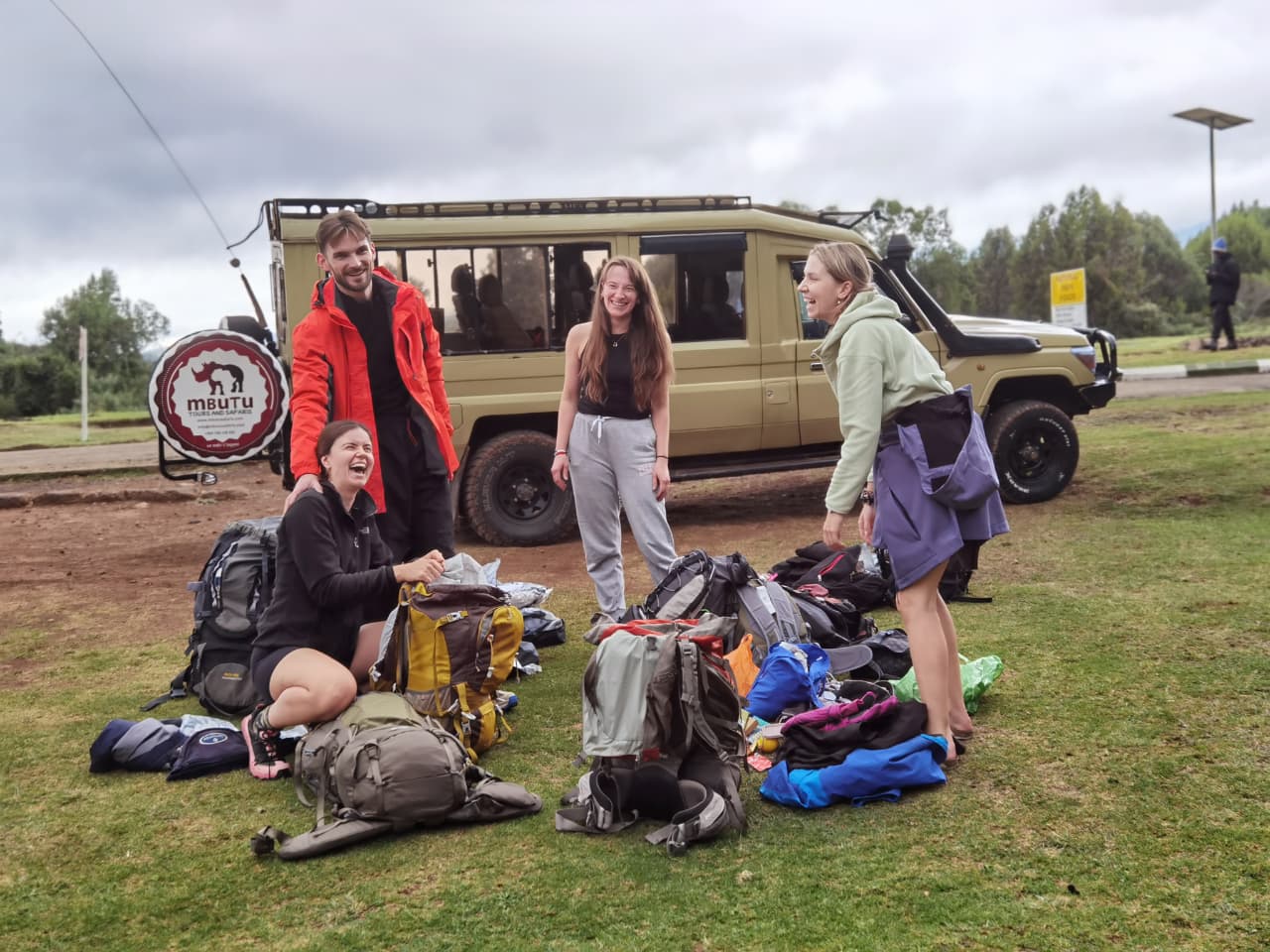

How we plan a climb
From your first message to the summit
Tell us the mountain, your dates, the size of your group and how much hiking you have done. We suggest the route and the number of days, and arrange the transfers and the nights before and after the climb.
- A route chosen for your fitness and the time you have
- Transfers from Nairobi or Arusha to the trailhead and back
- A hotel night before and after the climb
- A safari, a beach stay or a day in Nairobi added on if you wish
Good to know
Before you go
- The driest months on both big mountains are usually January to early March and June to October
- An extra day on the mountain gives your body more time to adjust to the altitude
- Nights near the summit are below freezing, so bring warm layers and a good sleeping bag
- Check that your travel insurance covers trekking at high altitude
Plan your climb
Send us the details and we will reply by email with a route, the number of days and a quote.

We make it happen
Climb, then safari
Many climbers rest their legs on a safari afterwards. Amboseli sits right under Kilimanjaro, and Ol Pejeta and Samburu are close to Mount Kenya.